Hankin Pinball - The Australian Story
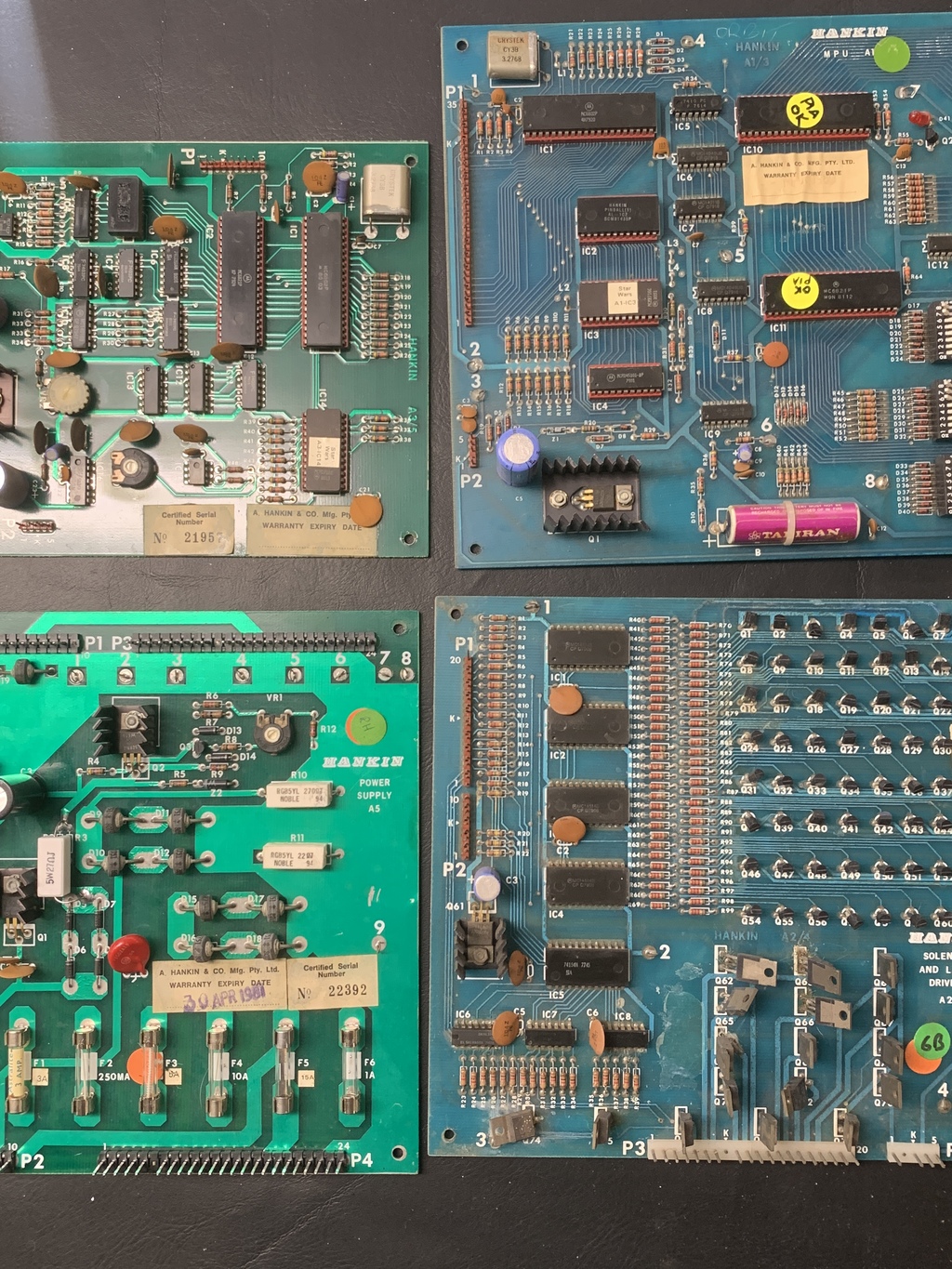
A Hankin & Co was formed in 1955 by Alec Hankin, a pioneering figure in the Australian amusement industry. Alec began his venture by operating amusement games in the Newcastle area, north of Sydney, New South Wales, establishing a foundation that would eventually lead to the creation of one of Australia's most iconic pinball companies. As the business grew, Alec’s sons, Peter and David, joined the company, and by 1965, they had opened their first amusement centre. Over time, Hankin expanded its footprint, establishing centres across Eastern Australia. When Alec passed away in 1974, he left behind a legacy that his sons would carry forward, culminating in the creation of Hankin Pinball.
David Hankin: The Visionary Behind Hankin Pinballs
In 1978, David Hankin launched Hankin Pinball with a bold vision of producing high-quality pinball machines that would stand out in both the Australian and international markets. At a time when the pinball industry was dominated by a few major players, Hankin’s entry was ambitious, to say the least. He brought together a team of skilled engineers, designers, and artists—many of whom were local talents, including the son of the local bank manager, who became a major designer for the company.
As the founder and driving force of Hankin Pinball, David Hankin was instrumental in creating some of the most iconic Australian-made pinball machines, leaving a lasting legacy in the world of arcade gaming. His vision, entrepreneurial spirit, and dedication to quality helped establish Hankin Pinball as a significant player in the global pinball market, even if only for a brief period.

Meeting David Hankin
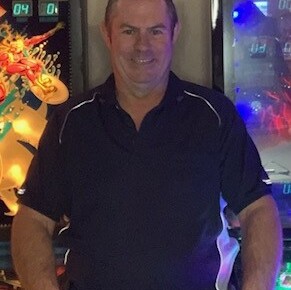
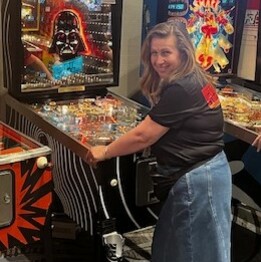
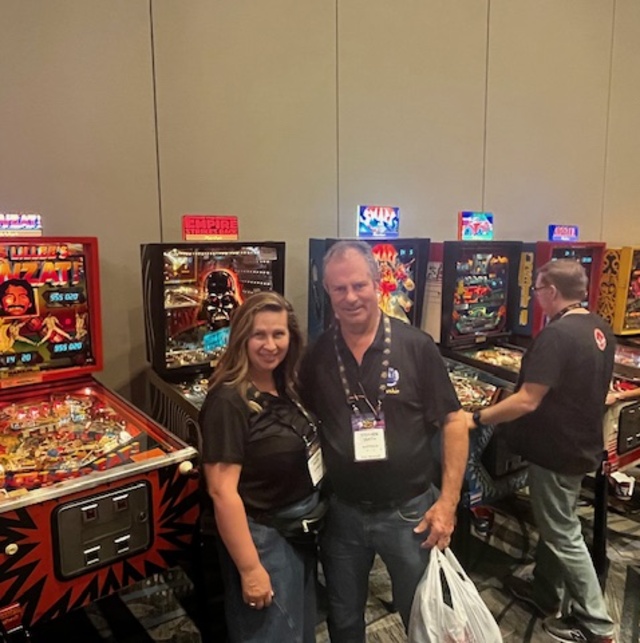
My wife and I had the pleasure of meeting David Hankin earlier this year, where he shared invaluable insights into the Hankin story.
He clarified that contrary to popular belief, only five Hankin pinball machines were ever produced, with much lower production numbers than previously reported.
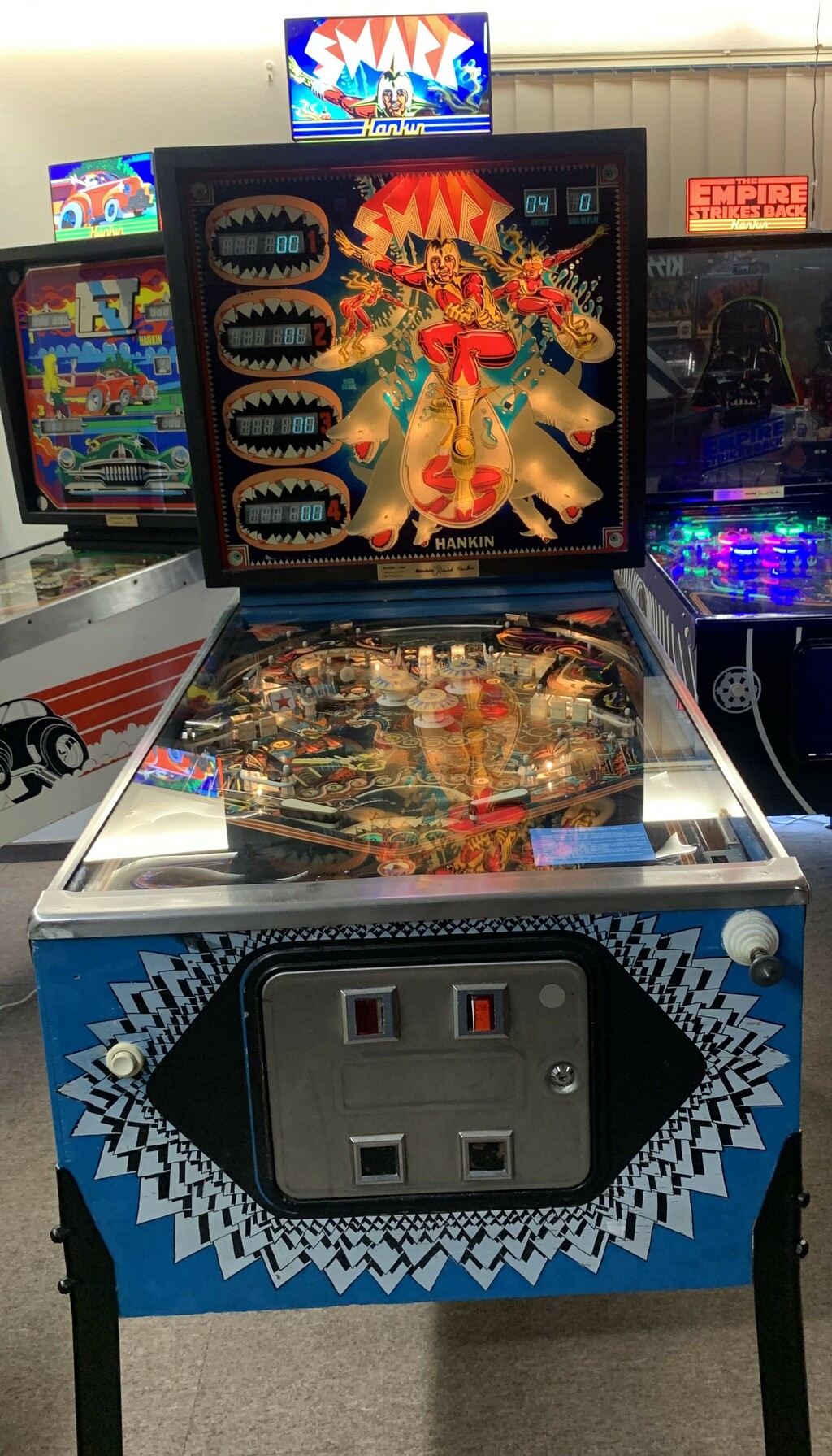
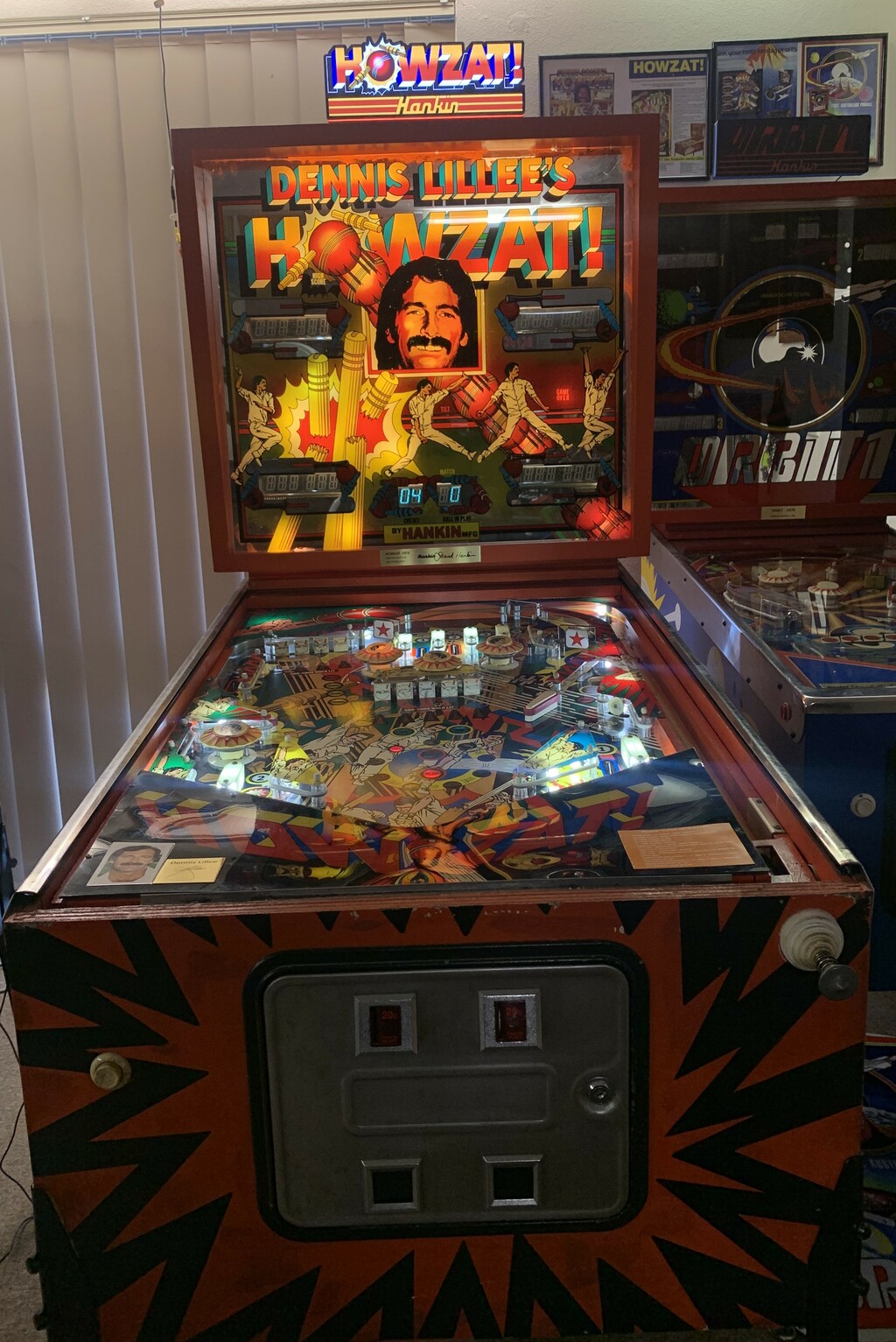
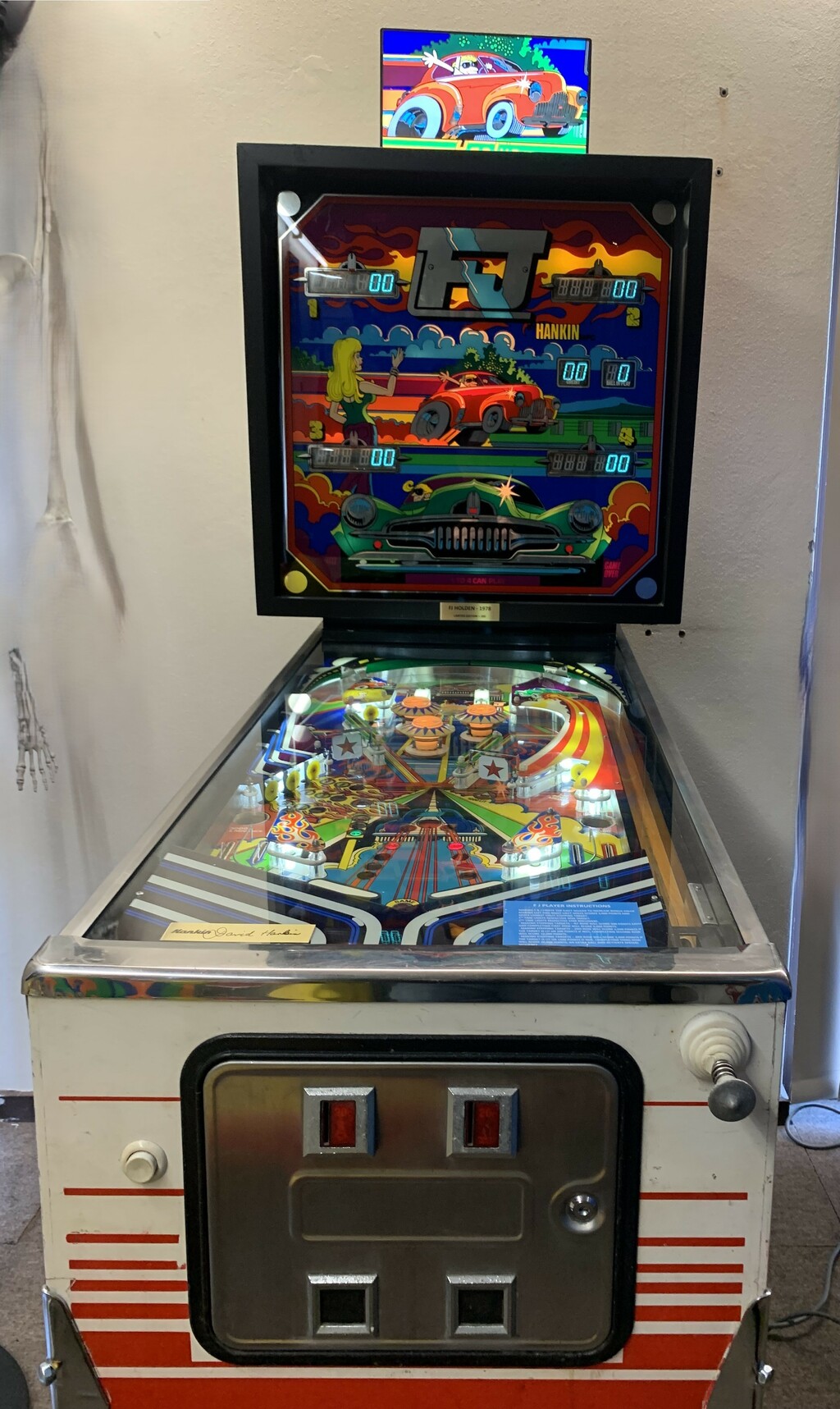
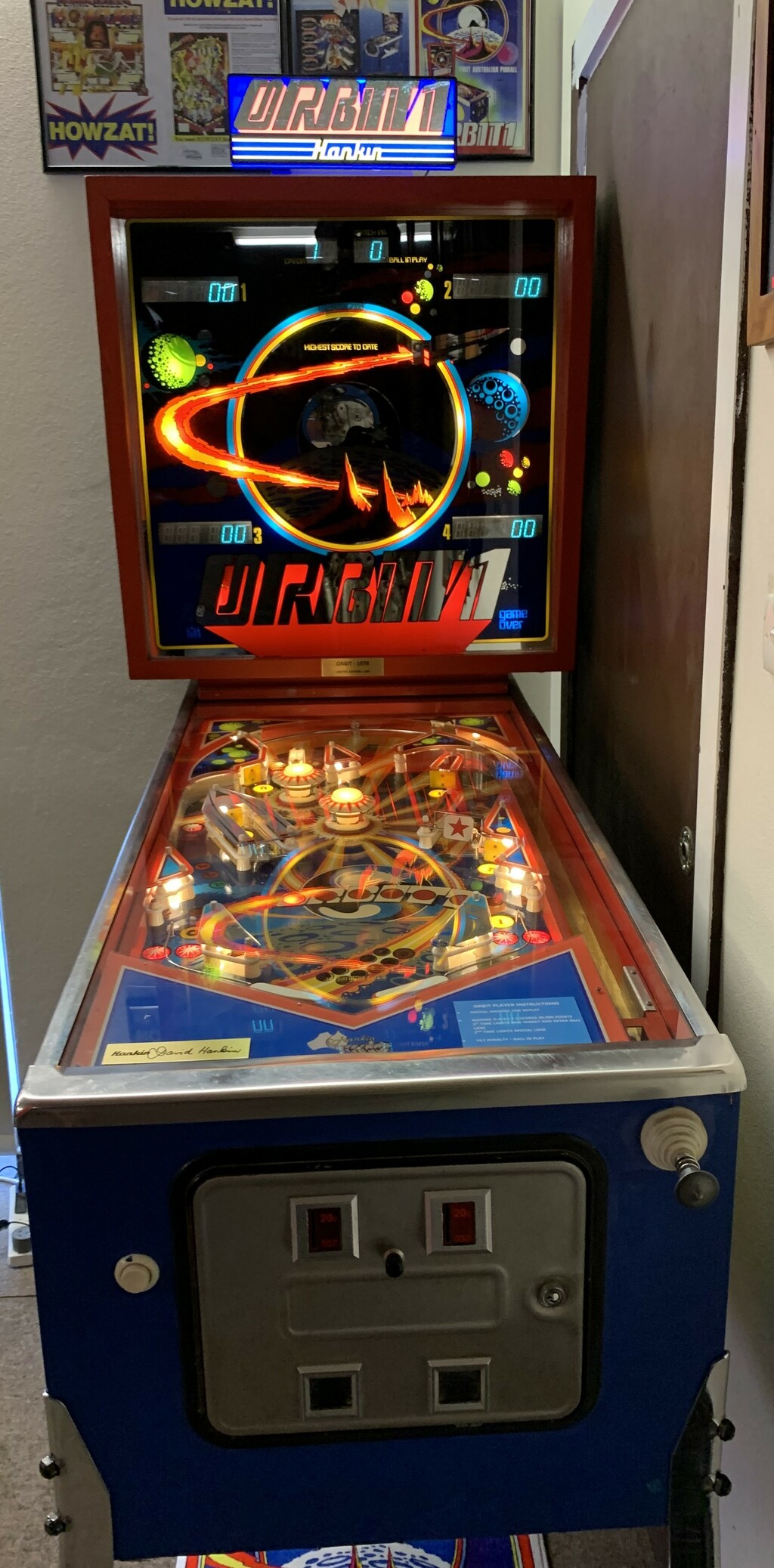
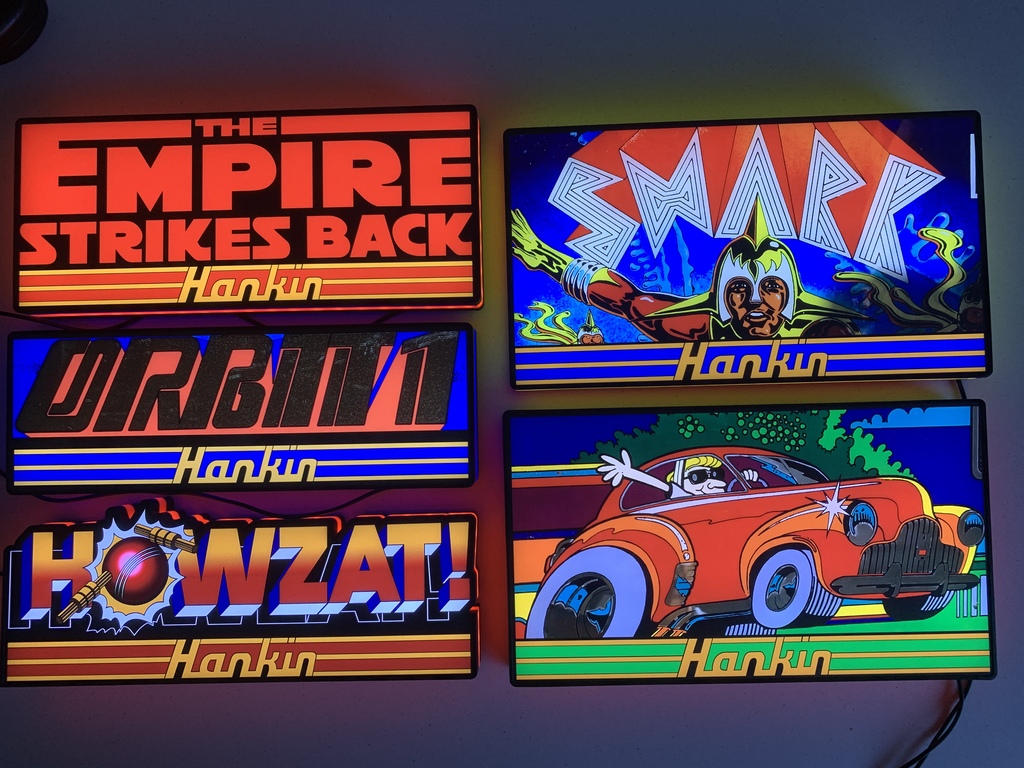
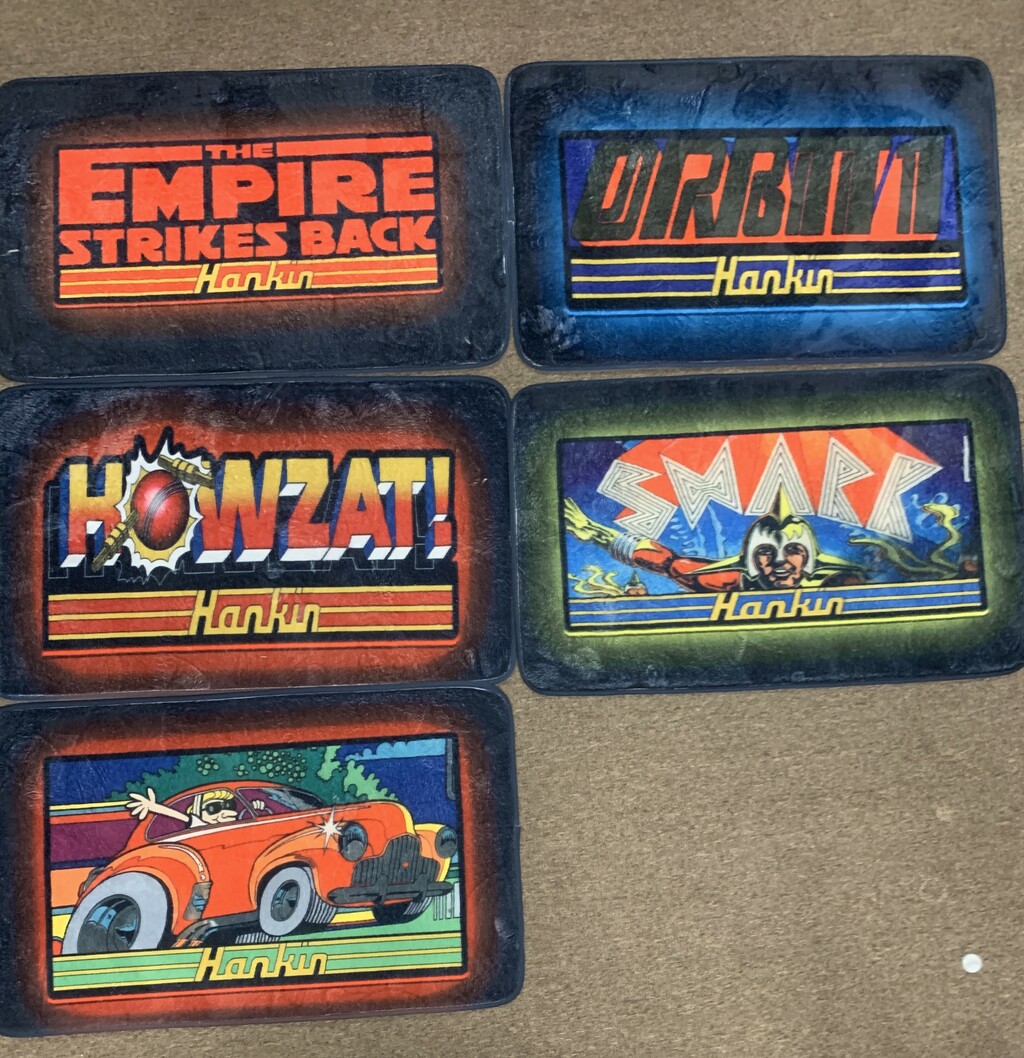
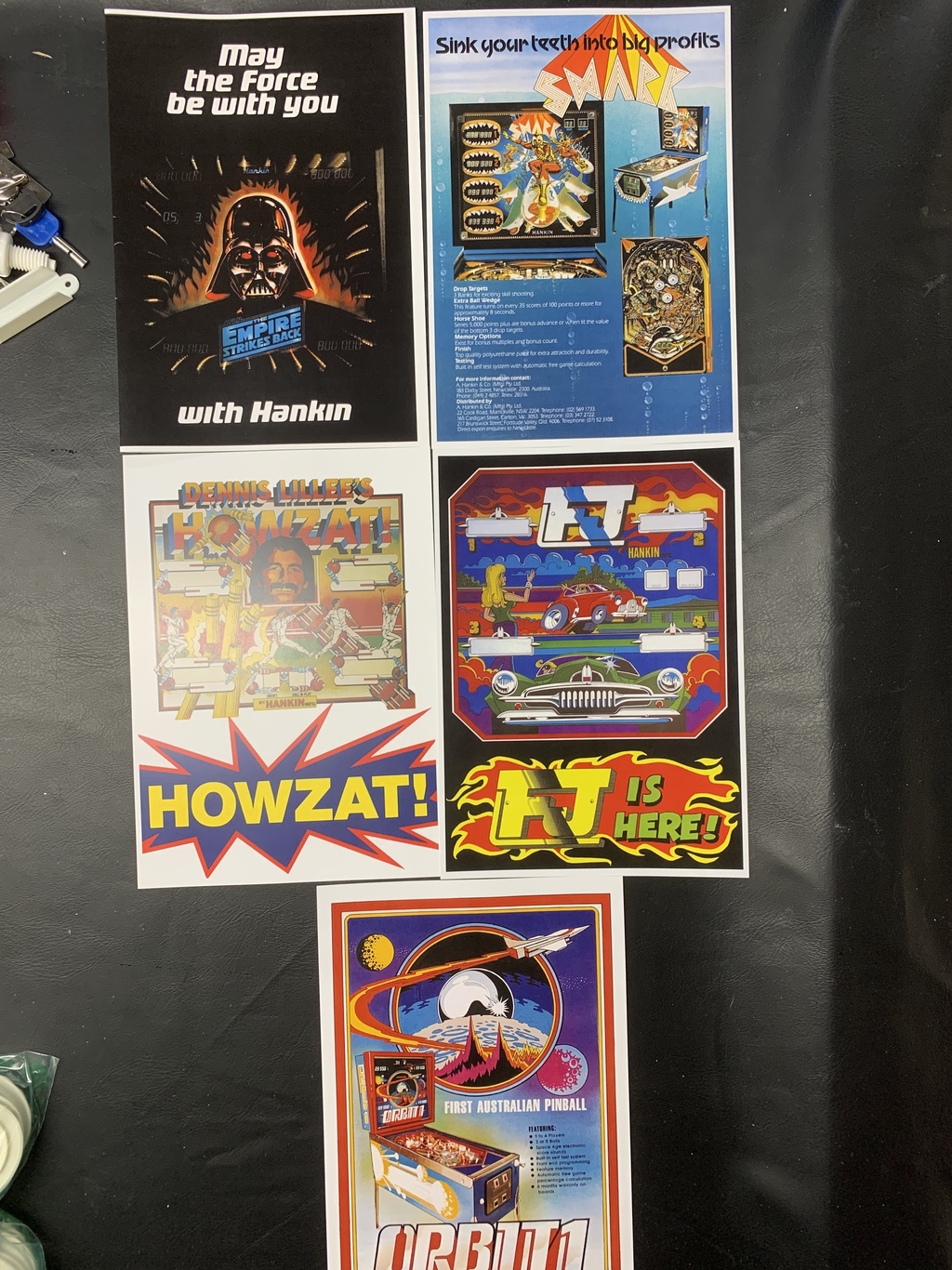
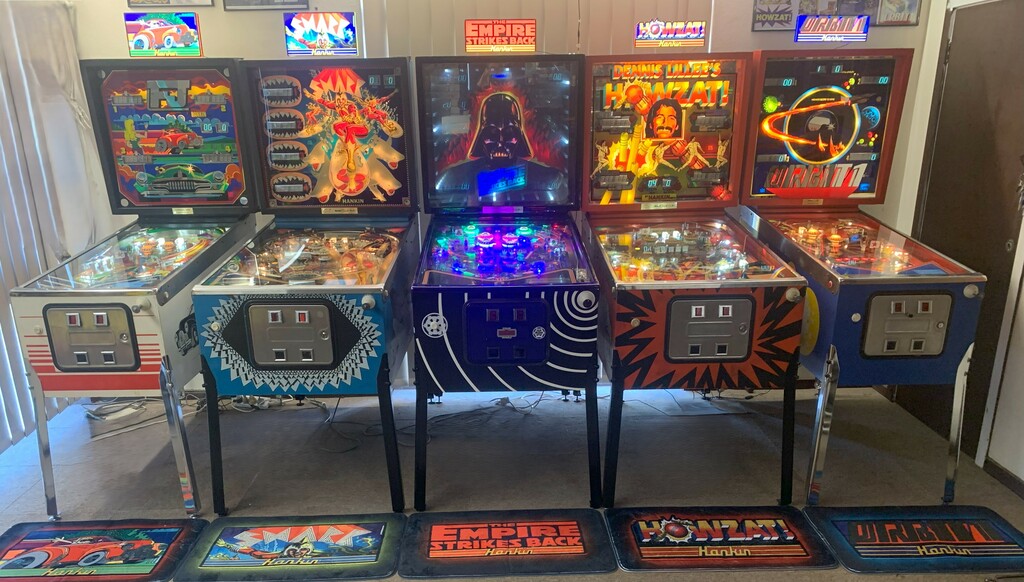
The five titles —Orbit 1, FJ Holden, Dennis Lillee’s Howzat, Shark and Empire Strikes Back—had a combined production total of approximately 1,300 units. As David humorously remarked, "If there were as many produced as reported, we would still be making them."
David also debunked the myth of Hankin producing conversion kits, specifically for the 1978 titles Dark Rider and Liquid Lightning, which were not Hankin products.
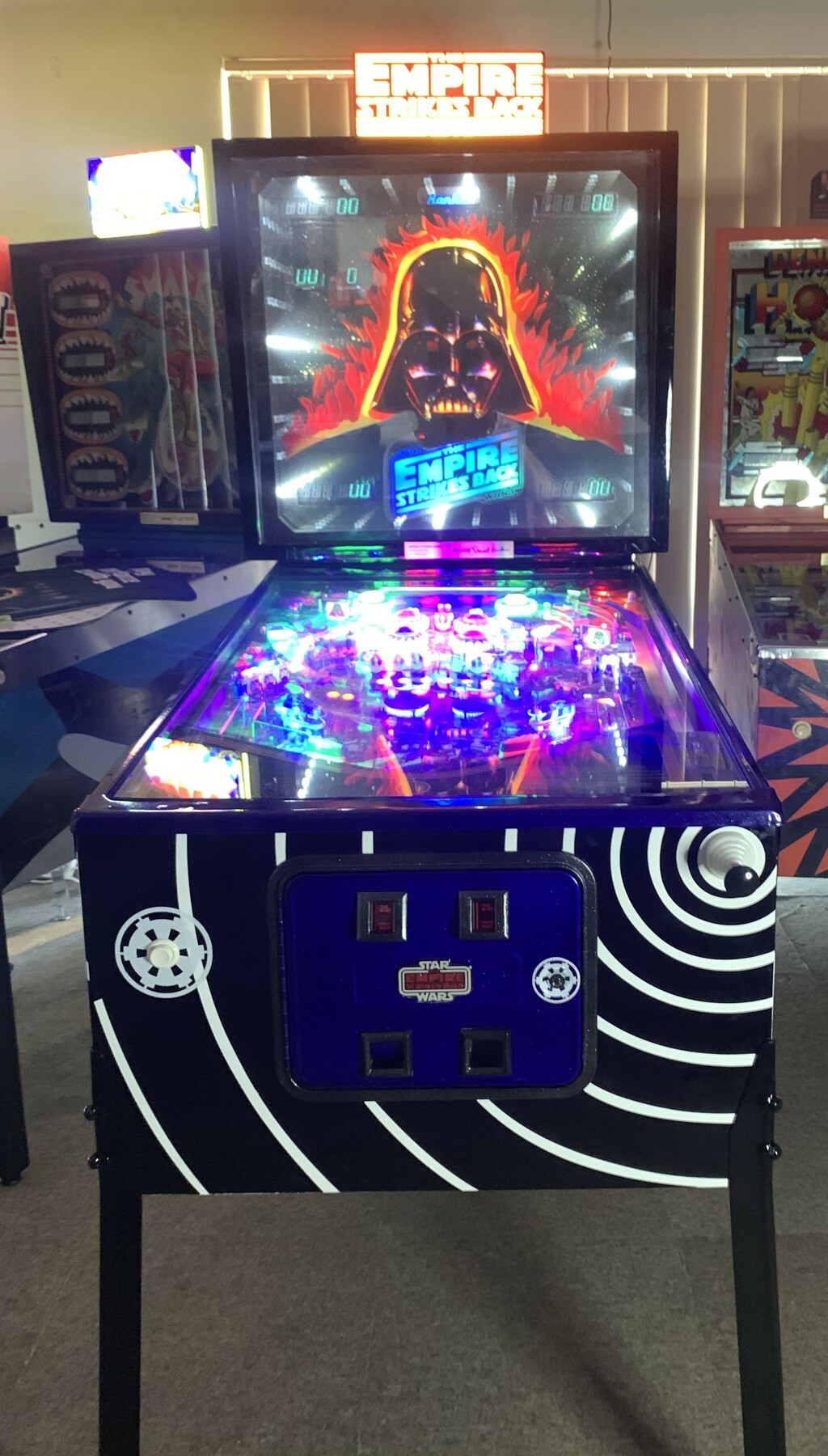
 350. This machine holds a special place in both pinball and pop culture history as the very first licensed Star Wars pinball game ever made. The licensing was arranged directly by David Hankin, who personally reached out to George Lucas. To David’s surprise,